The Gospel
The True and Better Leonardo
February 6, 2018 · David McLemore · 3 min read
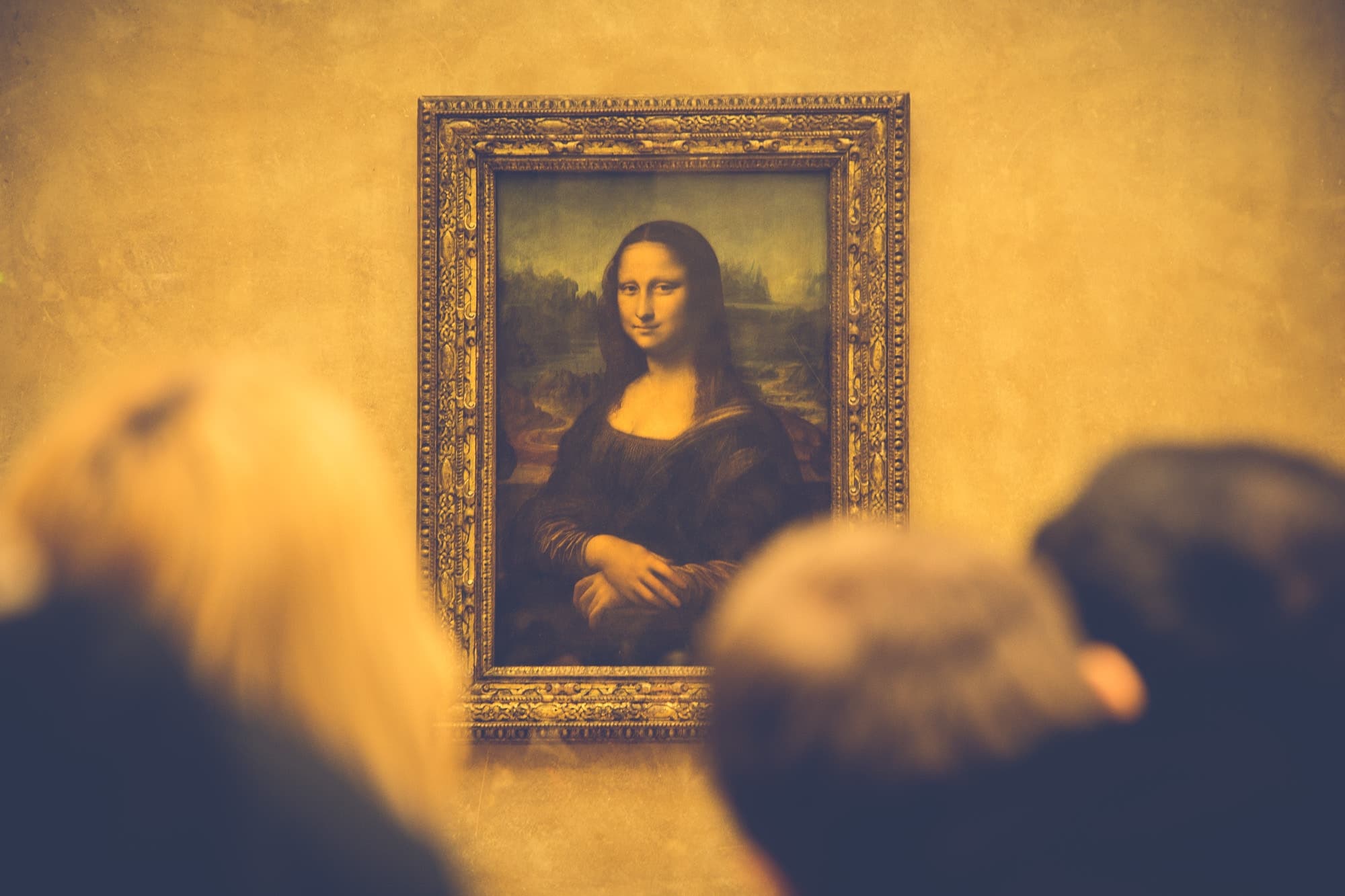
The world recognizes Leonardo da Vinci as one of history’s great artists, arguably the greatest ever. His Mona Lisa is the most famous painting the world will ever know. He never finally finished the picture. He was still working on it at the time of his death. Leonardo kept it with him, moving it from city to city, never handing it over to the one who commissioned it, because he was never done perfecting it. He tinkered and touched up and remade it throughout his last years of life. He even went to the lengths of painting the undergarments so that the proper texture was visible on the outer garment. He was meticulous and discerning. He researched the muscles of lips on corpses to get the smile just right—a smile that has sparked conversation since its revealing so many years ago. Is she smiling or not? Look at her eyes, and it appears the answer is yes. Look at her mouth, and it becomes debatable. Who could paint such a face full of motion? Only Leonardo because he alone cared enough to research the exact movements of the human mouth. He was never finished until the painting attained a specific and intentional character. So too is God.
In his book, The Problem of Pain, C.S. Lewis says about God something we see in Leonardo’s intention with his art. “We are, not metaphorically but in very truth, a Divine work of art, something that God is making, and therefore something with which He will not be satisfied until it has a certain character.” Just as a Leonardo worked on the Mona Lisa (and, in fact, many of his other paintings—he was a meticulous procrastinator and denier of deadlines), so too is God working on us all our lives. We are never off his mind. Even as he goes about upholding the world, spinning the stars, balancing the weights of the universe, his purposes are for our fully-formed character aligned to his.
God is the true and better Leonardo. But rather than taking a blank canvas and layering paint drop by drop, he takes a soiled heart, made hard by sin, and softens it, reworks it, in fact, remakes it into his image. His art is not of the kind to hang on a wall for admiration. It's the kind that stands in the hall, shouting down the corridors the glory of the artist. He's creating not a showpiece but sons and daughters for himself. And if he's producing such characters for his own enjoyment and pleasure, to share a part in his joy and gladness, why would he be content with any remaining sin or spot or imperfection? Why stop with good enough when he has all the holiness, righteousness, and goodness at his disposal? Indeed he will not stop. Every painting goes through a stage of harm, one in which the picture appears a blurry mess and incomplete disaster. But over time, at least for Leonardo, the lines became the proper amount of blurry as to look real, the eyes reached the appropriate depth as to become a welcoming gaze, the perspective and optics arrived at their maturity as to come alive. So too in the hand of God shall we one day arrive.
More like this
Subscribe to David McLemore
Scripture-centered essays about the gospel, Christian hope, and the places where biblical truth meets ordinary life.
Subscribe on Substack →Read next
The Gospel
The Concept of Substitution
John Stott on the concept of substitution.
The Gospel
The Darkness in the Grave
Only a dead Jesus saves. Only a dead and buried Jesus experienced the full wrath of God against our sin. Only a dead and buried Jesus can resurrect.
The Gospel
The Darkness on the Earth
Amid the darkness all around, the spotlight is on the cross. There, our savior hangs, mangled and marred. It’s messy, and it’s bloody because it must be. This is the only way to forgiveness.
Join the conversation
Leave a public comment below, or reach me privately — whichever you prefer.
Email me privately